
Articles to educate, inspire or help your decision process
Australia’s leading broker, New Direction Finance, has the mission of providing our clients with the most up to date information as possible, to assist your decision making process.
Feature Articles
How is New Direction Finance Different?

Founded in 2014 to provide real solutions to rising issues in finance industry, New Direction Finance has expanded rapidly into affordable business loans, personal loans, vehicle finance and investment properties
In today’s modern world, it is so easy to accumulate debt beyond repair. This is the reason why the team at New Direction Finance always seeks to provide sound advice on cost-effective, financially viable solutions to all of their trusted clients.
From Stress to Success: How Debt Consolidation Can Improve Cash Flow and Lower Interest Rates
Navigating the complexities of business finance can be overwhelming, especially when juggling multiple debts with varying interest rates and repayment terms. For business owners in Australia, debt consolidation emerges as a powerful strategy to streamline finances, offering a pathway from stress to financial health. By consolidating debts, businesses can potentially lower interest rates, simplify payment processes, and improve cash flow, setting the stage for sustainable growth. This strategic financial maneuver not only eases the burden of managing multiple debts but also offers a clearer perspective on the financial future. Dive into how debt consolidation, including options like private lending and asset finance, can transform your business's financial landscape and lead to a more prosperous tomorrow.
Understanding Debt Consolidation
Debt consolidation is a financial strategy that can significantly impact a business's financial health. By combining multiple debts into a single loan, companies can simplify their financial obligations and potentially improve their overall financial position.
Simplifying Payment Processes
Debt consolidation streamlines payment processes by combining multiple debts into a single, manageable loan. This simplification can be a game-changer for businesses struggling with multiple creditors and varying due dates. By consolidating debts, businesses can reduce the administrative burden of managing multiple payments. This often leads to fewer missed payments and late fees, improving the company's credit standing.
Lowering Interest Rates
One of the primary benefits of debt consolidation is the potential to secure lower interest rates. This can lead to significant savings over time, especially for businesses carrying high-interest debt.
Improving Cash Flow
Debt consolidation can have a positive impact on a business's cash flow by reducing monthly outgoings and creating more predictable payment schedules.
New Car Options 2026

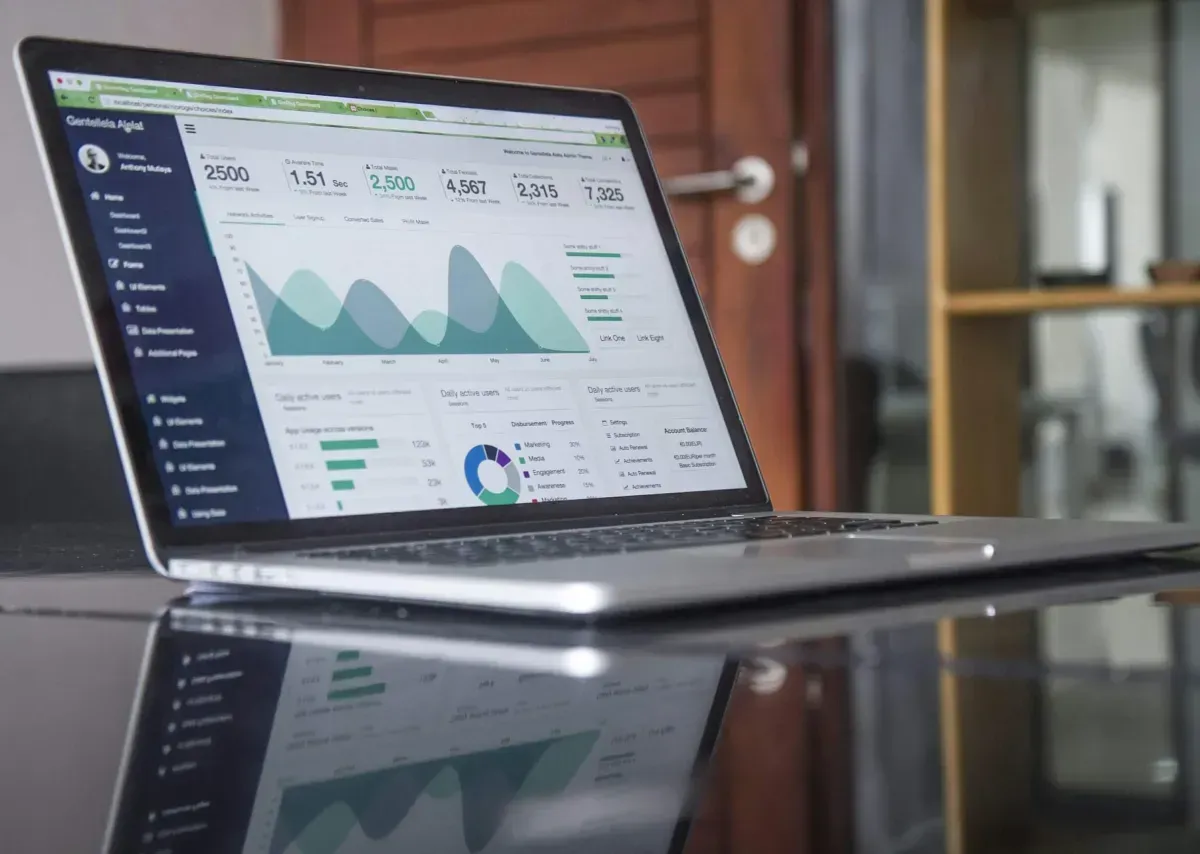
As we move through 2026, the Australian automotive market is witnessing a significant transformation, with manufacturers introducing a variety of new vehicles that respond to changing consumer preferences and tighter emissions standards. Several high-profile models are scheduled to arrive or be updated in Australia during 2026.
Kia Tasman
The Kia Tasman, a mid-size body-on-frame pickup, is slated for an Australian release in 2026. Kia has tailored the Tasman with local input and expects it to be a strong competitor upon arrival.
BYD Shark 6
BYD's Shark 6 plug-in hybrid is expected to be available in Australia in 2026, offering an 80 km electric-only range before switching to petrol. The Shark 6 aims to provide an efficient, practical option for buyers seeking electrified utes next year.
Toyota HiLux
The Toyota HiLux will receive a 2026 model update in Australia with refreshed features and improved performance. Toyota is positioning the 2026 HiLux to maintain its lead in the competitive ute segment.
Tesla Model 2
The Tesla Model 2 is expected to arrive in Australia in 2026 as an affordable, compact electric hatch. Tesla plans to target urban buyers with a lower-priced, high-efficiency offering when it reaches the market next year.
Personal Loans
Personal loans have become an integral financial tool for many Australians, offering flexibility to manage expenses, consolidate debt, or fund significant life events. As of 2025, the landscape of personal lending in Australia presents both opportunities and challenges for consumers.
Current Trends in Personal Lending
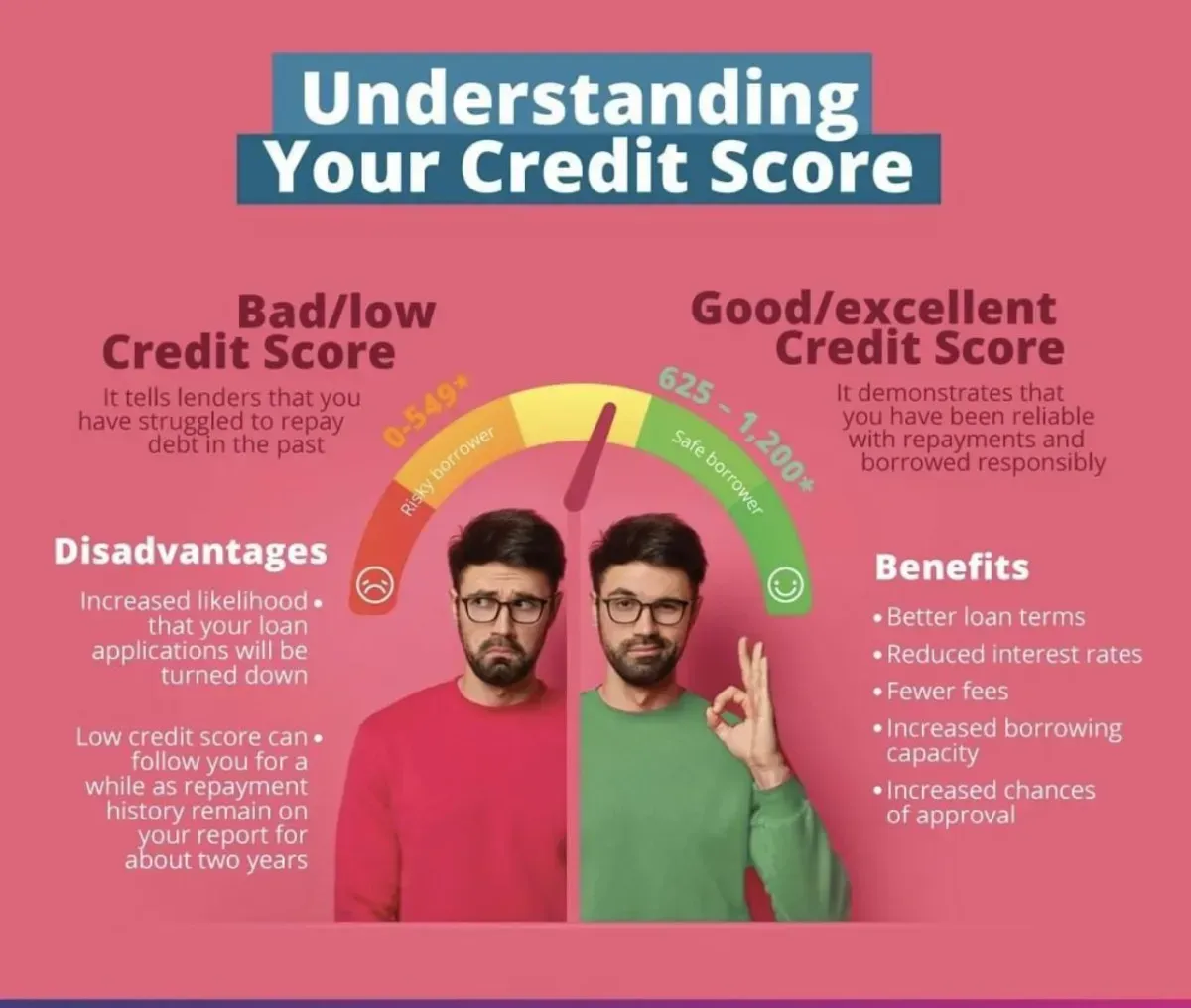
Recent data indicates a notable increase in the reliance on unsecured financial products, including personal loans. Approximately 45% of Australians have utilized personal loans for daily expenses in the past three months.
Diverse Lending Options
The Australian market offers a variety of personal loan providers, ranging from traditional banks to emerging digital lenders.
Ready to apply for a personal loan Click Here
Equipment Finance
Equipment finance plays a pivotal role in supporting Australian businesses by enabling them to acquire essential machinery, vehicles, and technology without the immediate financial burden of outright purchases.
Current Trends in Equipment Finance
Despite economic uncertainties, there has been a notable increase in demand for equipment financing in Australia. The Commonwealth Bank reported a 15% rise in vehicle and equipment financing, indicating that businesses are proactively upgrading assets to enhance productivity.
New Direction Finance are specialists in Equipment Finance Click Here to apply

6 Tips to Help ABN Holders Qualify for a Vehicle Loan
For many Australian Business Number (ABN) holders, securing a vehicle loan can be more challenging than it is for traditional salaried employees. Lenders often require a higher level of financial transparency and stability from business owners and freelancers.
1. Save a Deposit
A sizable deposit can make your loan application more attractive to lenders. Saving for a deposit not only lowers the total amount you need to borrow but also demonstrates your financial discipline and commitment.
2. Establish Strong Financial Anchors
Lenders look for solid evidence of financial stability. As an ABN holder, you can build your case by showcasing consistent income streams and long-term contracts or client relationships.
3. Separate Business and Personal Banking
Maintaining distinct banking accounts for your business and personal finances is essential. When your financial records are separated, it becomes easier for lenders to assess your business performance and cash flow.
Conclusion
Qualifying for a vehicle loan as an ABN holder requires a proactive approach. By saving for a deposit, establishing strong financial anchors, keeping business and personal finances separate, registering for GST, managing your banking effectively, and choosing a work vehicle, you can present a well-organised and robust financial profile.


Building Business Credit for Loans and Financing
For small and medium-sized businesses, access to business credit, loans, and financing solutions can be crucial for ensuring long-term success. Having access to working capital allows businesses to manage ongoing operational expenses while exploring opportunities for growth and expansion.
Understanding Business Credit
Business credit is a measure of the creditworthiness of your business. In other words, it reflects how risky a lender considers your business to be. It is distinct and separate from personal credit.
Factors Impacting Business Credit
- Payment History
- Credit Utilisation
- Credit History
- Credit Mix
Business Finance for SMEs: How Asset Finance, Business Loans and Invoice Financing Can Fuel Your Growth
Running a small or medium-sized business in Australia is exciting – but it can also be financially demanding. Whether you're looking to expand, invest in new equipment, hire staff or simply smooth out cash flow, finding the right type of finance is critical to sustaining and accelerating your growth.
The good news? You don't have to choose between starving your cash flow and missing out on opportunities. With the right mix of asset finance, business loans and invoice financing, you can access the capital you need – in a way that suits how your business actually operates.
Why Cash Flow Is the Real Growth Bottleneck
Most profitable businesses don't fail because the idea is bad – they struggle because of cash flow. You can have strong revenue and loyal customers, but if your money is tied up in unpaid invoices, expensive equipment purchases or seasonal lulls, it becomes difficult to cover everyday expenses, pay staff or seize new opportunities.
That’s where smart finance solutions come in. Rather than relying solely on your cash reserves or overdraft, you can use tailored funding tools to free up cash, spread costs over time and align repayments with your actual cash flow cycle.
1. Asset Finance: Fund the Equipment That Powers Your Business
Asset finance allows you to purchase or upgrade essential business equipment, vehicles or machinery without paying the full amount upfront. Instead, the finance is secured against the asset itself, and you repay it over an agreed term.
This type of funding is particularly powerful for SMEs that rely on physical assets to generate income – from tradies and transport operators to medical practices, manufacturers and hospitality businesses.
Common uses for asset finance include:
- Trucks, utes and commercial vehicles
- Manufacturing and production equipment
- Construction and earthmoving machinery
- IT hardware, POS systems and technology upgrades
- Medical, dental and hospitality equipment
Why business owners choose asset finance:
- Preserve working capital — keep your cash in the business for day-to-day operations rather than tied up in equipment
- Match repayments to revenue — the equipment often pays for itself while you're still paying it off
- Potential tax benefits — depending on your structure, interest and depreciation may be deductible (always confirm with your accountant)
- Stay current — upgrade equipment more easily as your business and industry evolve
2. Business Loans: Flexible Capital for Growth, Stock or Expansion
Sometimes you don't need a specific piece of equipment – you just need extra capital to move your business forward. That’s where business loans come in. These can be secured or unsecured and are typically used for broader purposes, such as working capital, marketing, staff, stock or fit-outs.
Business loans can be structured with fixed or variable interest rates, and repayment terms can be tailored to your cash flow and goals. The key is choosing a facility that gives you enough breathing room to invest and grow without putting unnecessary pressure on your monthly budget.
3. Invoice Financing: Unlock the Cash Already Owed to You
If your customers are on 30, 60 or 90-day terms, invoice financing (also known as debtor finance) can help you bridge the gap between sending an invoice and getting paid. Instead of waiting weeks or months for payment, you can access a large portion of the invoice value upfront, giving you predictable cash flow.
This can be especially helpful for businesses that grow quickly, work with large corporate clients or operate in industries with long payment cycles – such as construction, labour hire, manufacturing and wholesale.
Which Type of Finance Is Right for Your Business?
No two businesses are the same – and neither are their finance needs. The right solution (or combination of solutions) will depend on what you're trying to achieve and how your cash flow works in the real world.
Here’s how some business owners think about the options:
- If you need a specific vehicle, machine or piece of equipment to generate income → Asset finance may be the best fit.
- If your main challenge is unpaid invoices and long payment terms → Invoice finance can unlock cash you’ve already earned.
- If you need flexible capital for multiple purposes like stock, marketing, wages or renovations → A business loan may be more suitable.
In many cases, a combination of these tools offers the strongest foundation – for example, using asset finance for your vehicles and equipment, invoice finance to smooth out your receivables and a business loan for strategic investments.
The Cost of Waiting
It’s natural to want to “wait until the time is right” before taking on finance. But for many SMEs, delaying access to capital can actually cost more in the long run – in missed opportunities, lost contracts, slower growth or the strain of constantly juggling bills and payments.
The question isn't “Should I borrow?” but rather “What is the smartest way to structure finance so it supports my growth, protects my cash flow and fits my risk profile?”
Talk to a Finance Broker Who Understands Business, Not Just Banks
Choosing between asset finance, business loans and invoice financing doesn’t have to be confusing – and you don't have to navigate it alone.
At New Direction Finance, we specialise in helping Australian SMEs structure finance that works for their business model, cash flow and long-term goals. We have access to a wide panel of lenders and can help you compare options, negotiate terms and avoid common pitfalls.
You don't need a finance degree – just a clear picture of your business and where you want to take it. We’ll help you map the right finance strategy to support that vision.
Ready to unlock the capital your business needs to grow?
Call New Direction Finance on 1300 483 955 or email [email protected] to discuss asset finance, business loans or invoice financing tailored to your needs.
You can also visit www.newdirectionfinance.com.au to learn more about how we help Australian business owners access smarter finance solutions.
This information is general in nature and does not take into account your objectives, financial situation or needs. You should consider whether it is appropriate for you and seek professional advice before making any financial decisions.
New Direction Finance | ACR 499888 | ACL 423002
Invoice Finance
Unlock Your Cash Flow: How Invoice Finance Can Boost Your Business

In the bustling landscape of Australian business, maintaining a healthy cash flow is a key concern for many small to medium-sized enterprises. Invoice finance emerges as a robust financial solution, offering a lifeline to those grappling with delayed payments.
Get your funds fast, without all the paperwork.
;
Important legal stuff
New Direction Finance (ACN 16 727 63 06), Australian Credit Representative Number is 499888 authorised under Australian Credit Licence 389527. We will never sell your email address to any third party or send you nasty spam, promise.
New Direction Finance is a privately owned and operated Australian business.
WARNING:
All applications are subject to assessment and lender approval. Quoted rates apply to personal loans, unsecured loans and all applications are subject to assessment and lender approval.
IMPORTANT INFORMATION:
Loan terms differ and are subject to lender and credit criteria. Any calculations or estimated savings do not constitute an offer of credit or a credit quote and are only an estimate of what you may be able to achieve based on the accuracy of the information provided. It doesn't take into account any product features or any applicable fees. Our lending criteria and the basis upon which we assess what you can afford may change at any time without notice. All applications for credit are subject to lender credit approval criteria.
© New Direction Finance 2026
82 Hawdon St, Heidelberg VIC 3084
Services Australia wide